
Kalapana Orchid Farm
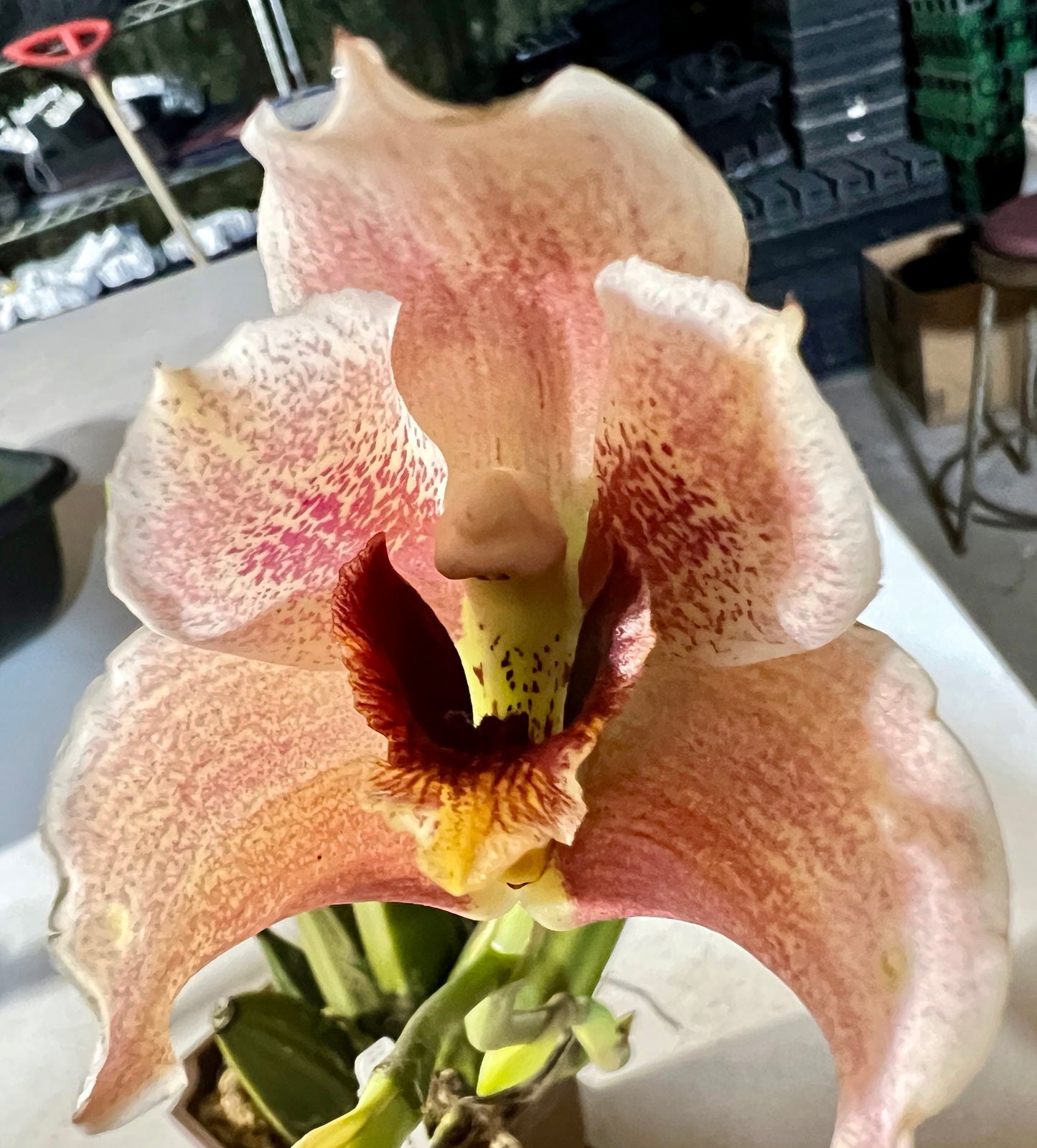
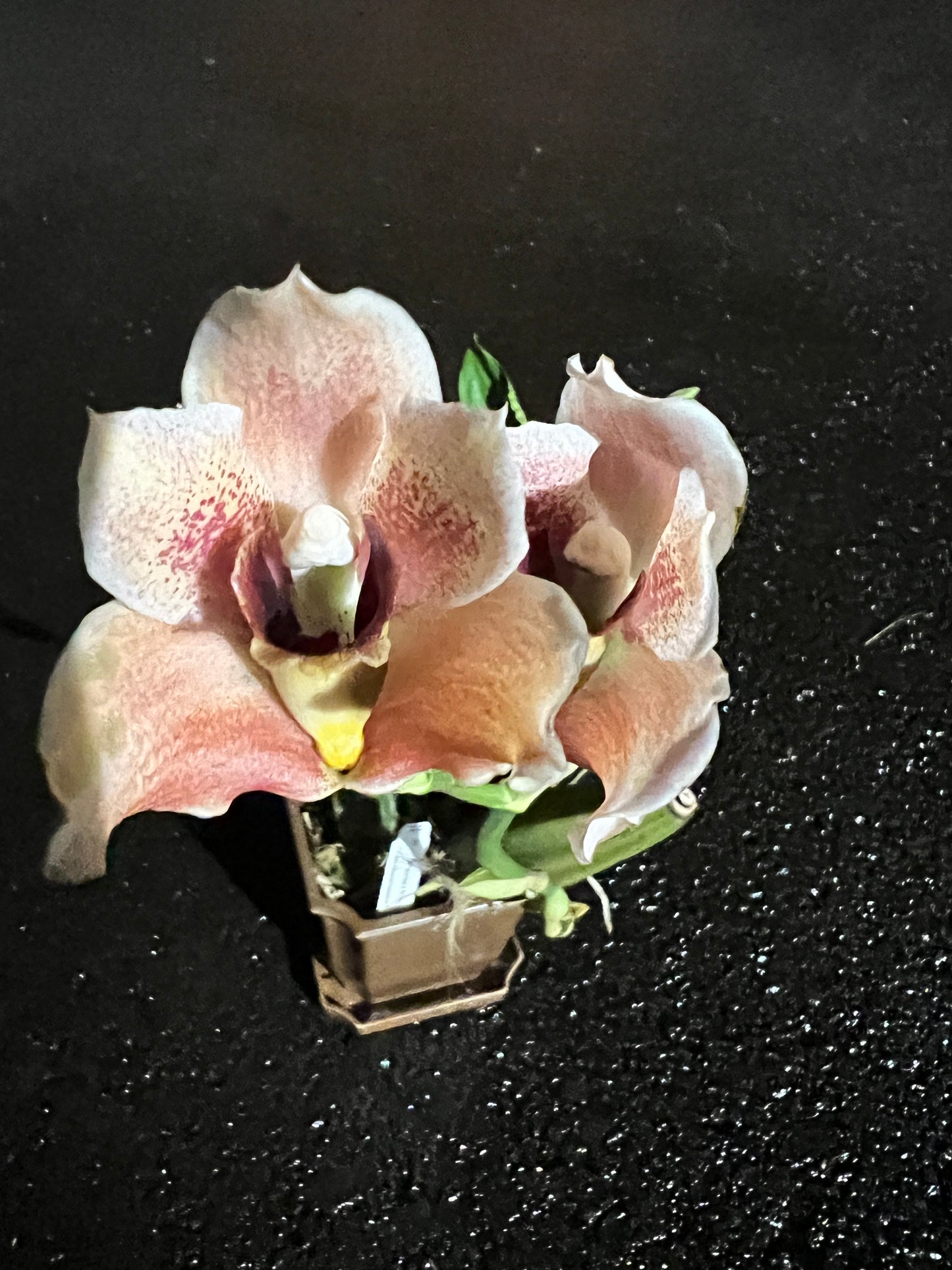
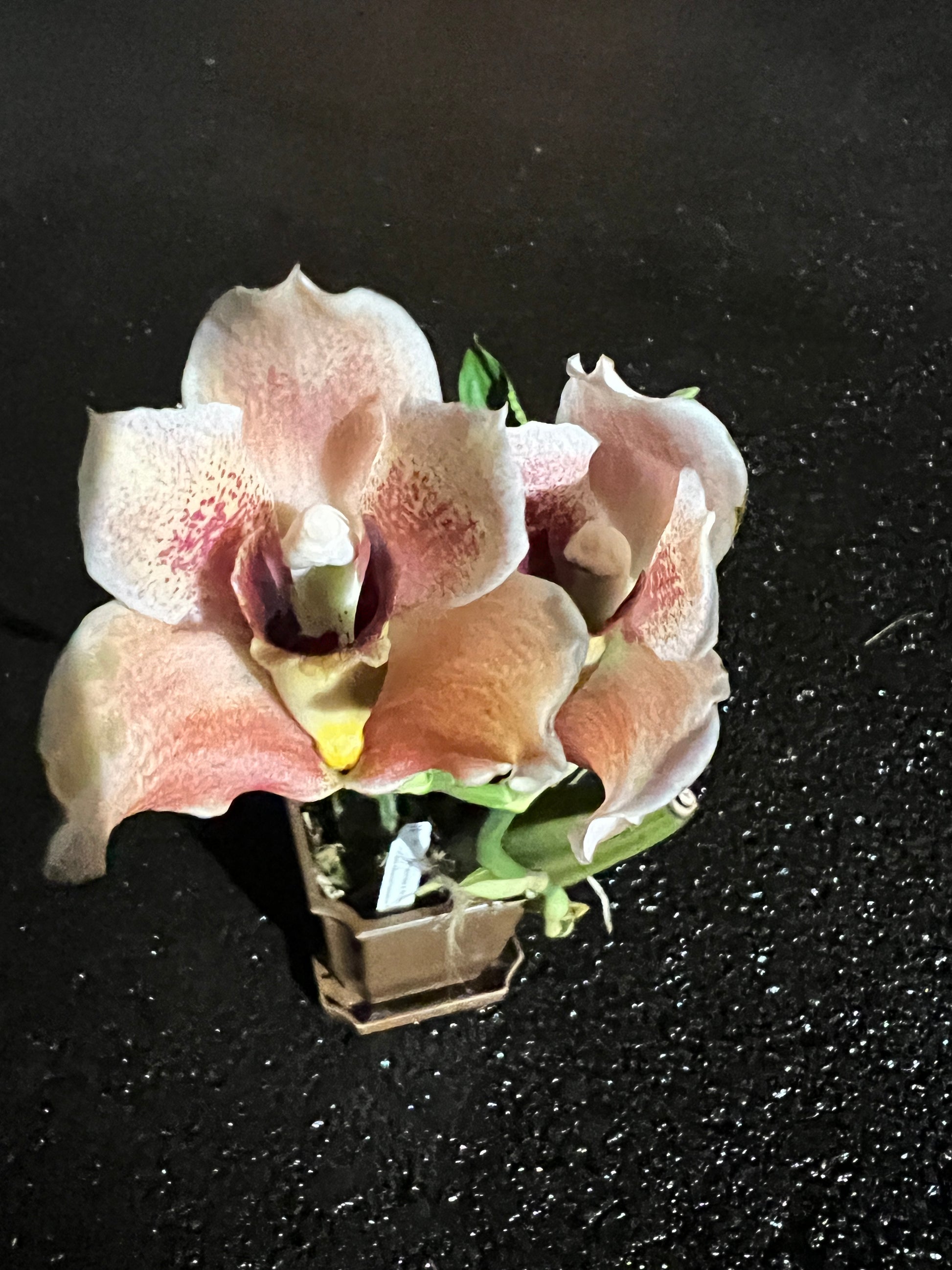
Bifuloa Kalapana Kev (Bifrenaria harrisoniae x Anguloa Bifuloa)
Bifuloa Kalapana Kev (Bifrenaria harrisoniae x Anguloa Bifuloa)
Couldn't load pickup availability
Bifuloa Kalapana Kev
(bye-foo-LOH-ah)
This orchid is a fantastic marriage of two distinct South American orchids, bringing together the rugged charm of Bifrenaria with the whimsical shape of Anguloa. One of its parents, Anguloa uniflora, is famously called the Tulip Orchid or Swaddled Babies Orchid. A quick peek into its flower reveals a perfect little structure that looks remarkably like a baby wrapped in blankets, a delightful bit of natural artistry. This endearing trait is a hint at the unique floral structure that can emerge from this hybrid.
The plant itself promises a robust and handsome presence. Expect stout, four-angled pseudobulbs from the Bifrenaria side, each topped with a single, tough, pleated leaf that can reach up to a foot long. From the Anguloa parent, it inherits the tendency for large, impressive growths. The inflorescence will emerge from the base of the newest pseudobulb, holding its intriguing flowers for an extended display.
🌿 How to Grow Bifuloa Kalapana Kev
Light: Provide bright, filtered light, around 2,500 to 3,500 foot-candles. An east-facing window with morning sun is ideal. The leaves should be a healthy medium green; a reddish tinge indicates too much light, while a dark green suggests not enough.
Temperature: An intermediate temperature range is best, accommodating both parents. Aim for daytime temperatures of 70-80°F (21-27°C) and nighttime temperatures of 58-65°F (14-18°C). A drop in temperature at night is beneficial.
Water: Water thoroughly when the potting medium is approaching dryness. During the active growing season (spring and summer), watering may be more frequent. Reduce watering during the cooler winter months, allowing the pseudobulbs to shrivel slightly, a nod to the dry rest period of its Bifrenaria parent.
Humidity: Aim for 50-70% humidity. Good air circulation is essential to prevent fungal issues, a must for both parent species.
Fertilizer: During active growth, fertilize every other watering with a balanced orchid fertilizer diluted to ¼ to ½ strength. In late summer, switch to a fertilizer lower in nitrogen and higher in phosphorus to help mature the new growths. Flush the pot with clear water monthly to prevent salt buildup.
Potting Medium: A well-draining, medium-grade epiphyte mix is recommended. A combination of fir bark, perlite, and charcoal works well. Bifrenaria roots resent being disturbed, so repot only when necessary, typically every 2-3 years, when new root growth is evident.
Share