Kalapana Orchid Farm
Cattleya maxima var. alba
Cattleya maxima var. alba
Couldn't load pickup availability
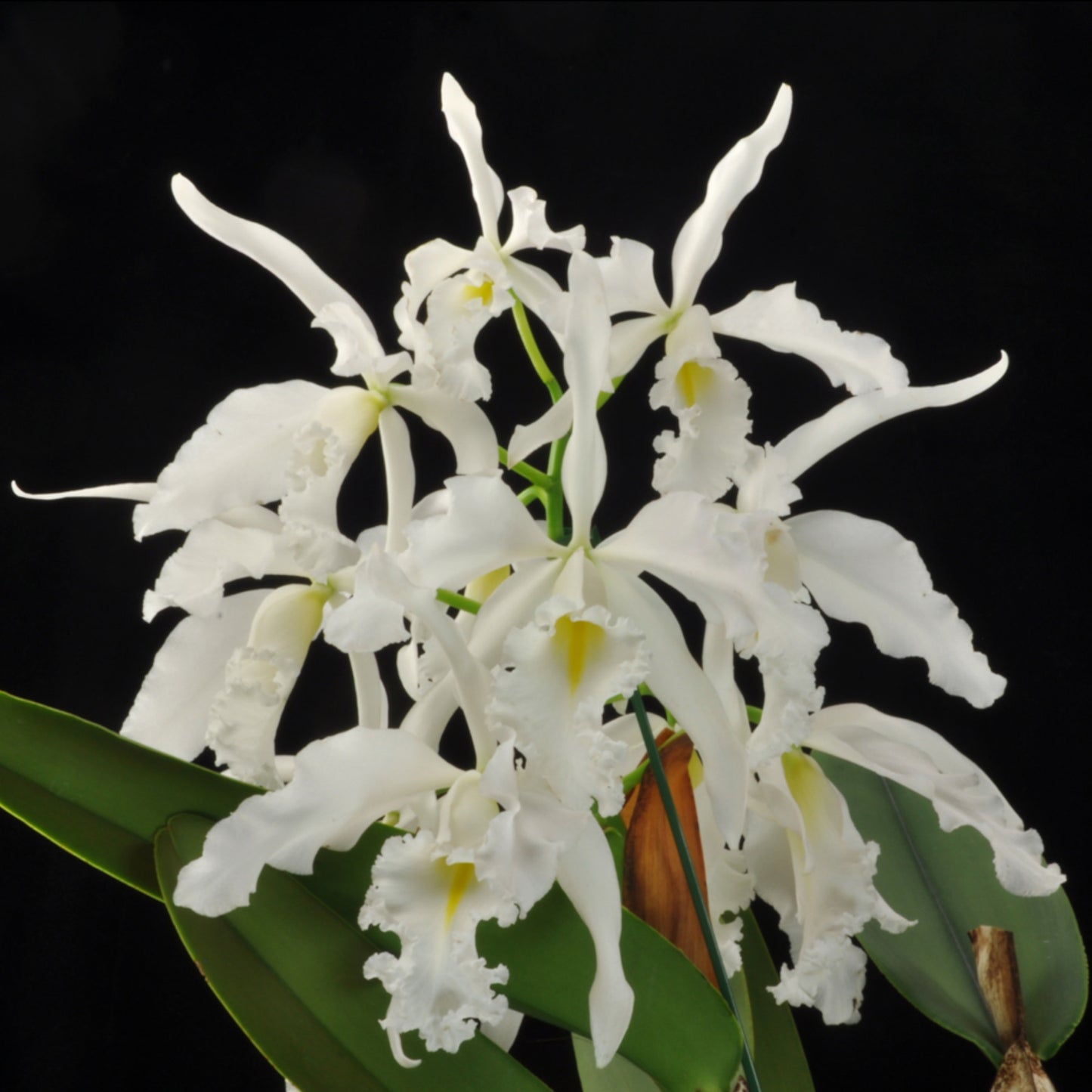
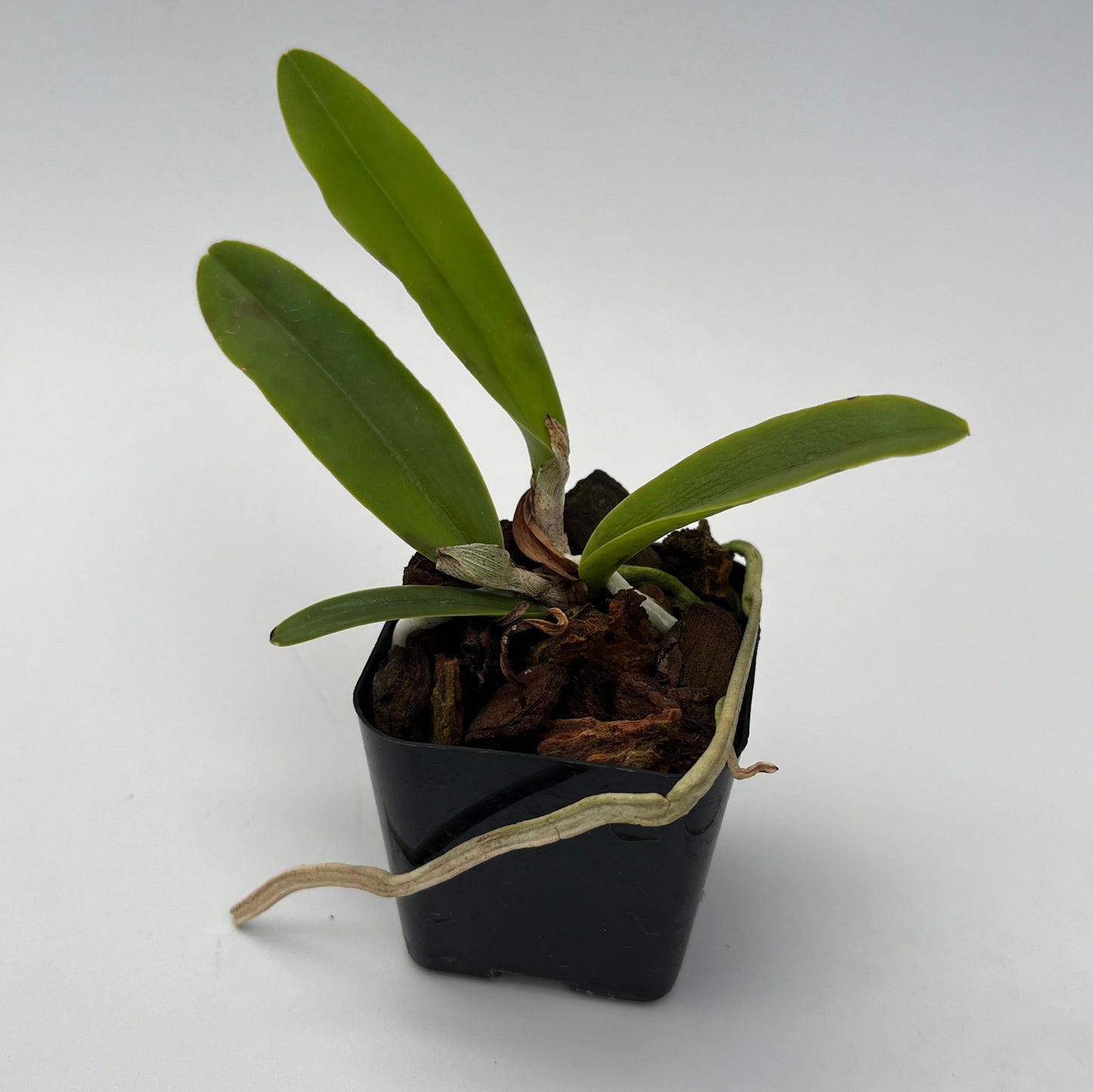
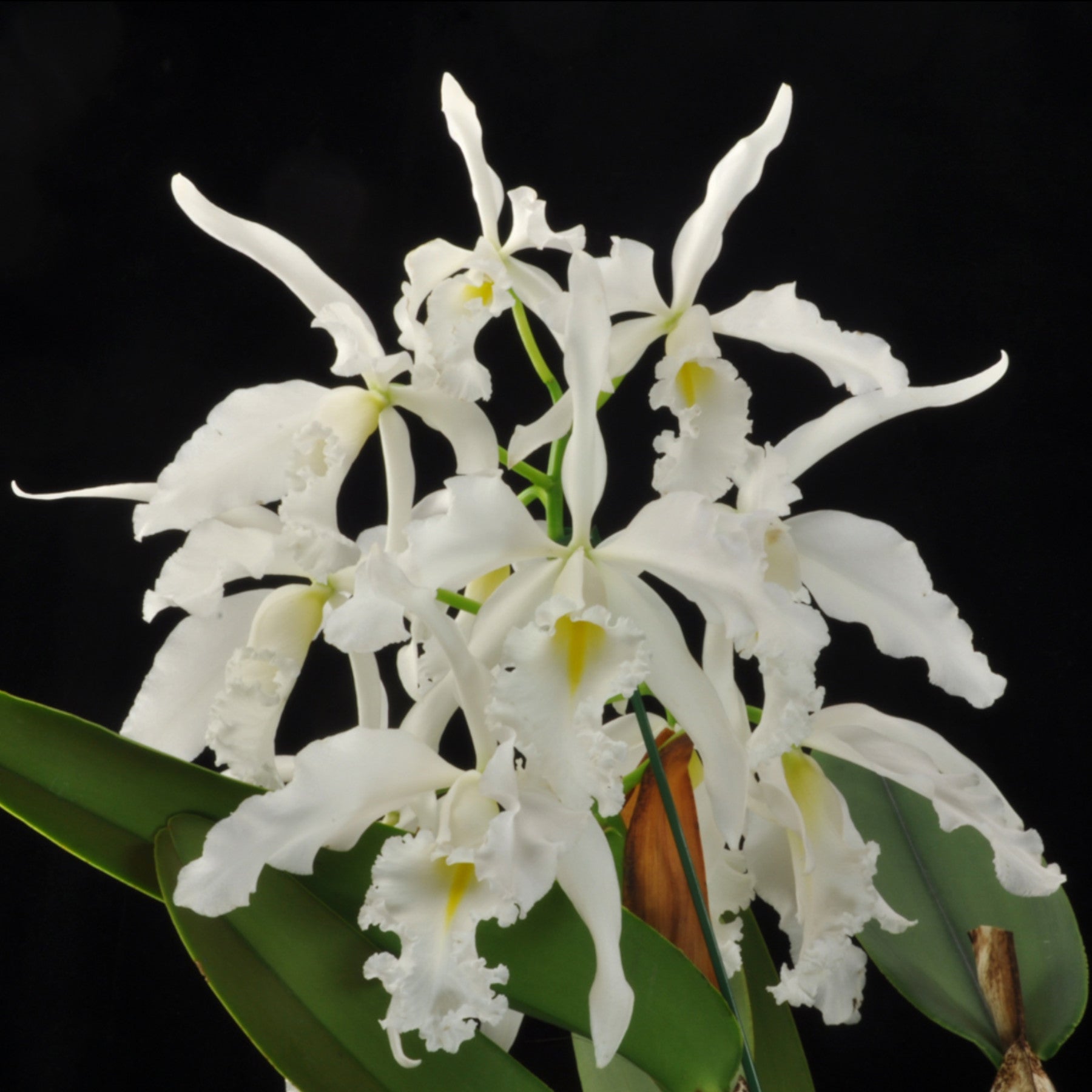
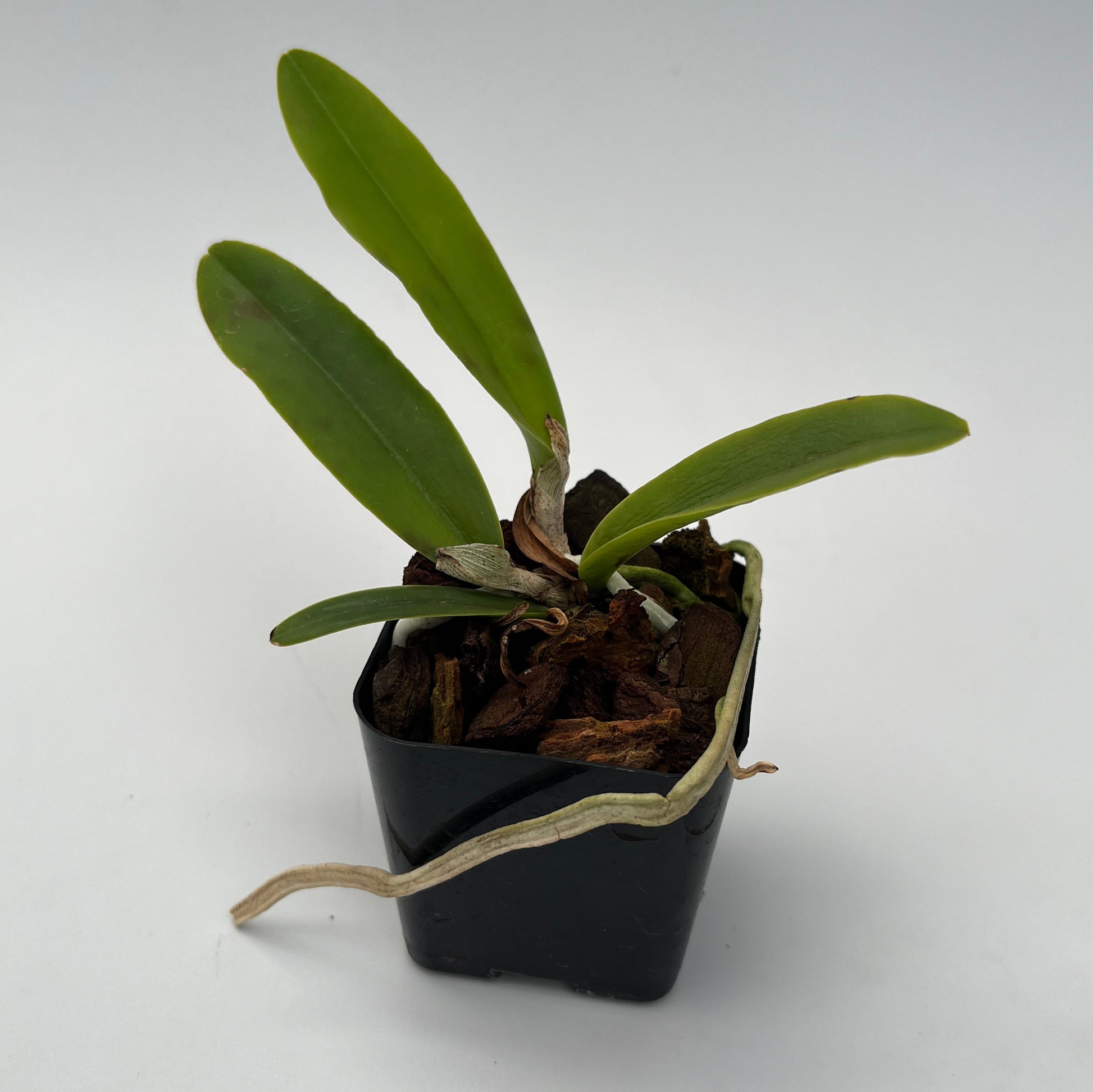
The Cattleya maxima var. alba is the breathtaking "Queen of the Andes" in its rarest and most pristine form. While the standard species is known for its lilac hues, the 'alba' variety is highly prized by collectors for its snow-white purity. This orchid is famous for its stately upright growth and the elegant, graceful Carriage of its blooms.
The flowers are remarkably distinct, featuring long, narrow, wavy petals of crisp white and a beautifully elongated lip. Inside the throat, you’ll find the signature yellow "runway" stripe that guides pollinators, creating a stunning focal point against the stark white background.
Why You’ll Love It:
-
Pristine Beauty: The pure white color form is a rare mutation that brings an air of sophistication and serenity to any collection.
-
Prolific Bloomer: Unlike some large-flowered Cattleyas that produce only one or two flowers, C. maxima is known for its ability to produce a high count of blooms on a single spike.
-
Stately Architecture: The plant grows with a distinct, tall, and "proud" habit, making it an architectural standout even when not in flower.
-
Rich History: As one of the earliest discovered Cattleya species, owning an 'alba' form connects you to the golden age of orchid exploration with a modern, high-quality twist.
Quick Care Guide:
-
Light: Bright, indirect light. It enjoys a bit more light than the average Cattleya. Aim for a bright window where the leaves remain a healthy, light apple-green.
-
Water: Water thoroughly and then allow the medium to dry out almost completely. They are sensitive to "wet feet," so excellent drainage is a must.
-
Temperature: This species is very adaptable. It thrives in intermediate to warm conditions, ideally between 65°F and 85°F.
-
Humidity: Enjoys a humid environment of 60% or higher. Good air movement is essential to prevent spotting on the delicate white petals.
-
Fertilizer: Feed with a balanced orchid fertilizer every two weeks during the growing season. In late autumn and winter, reduce frequency as the plant enters its rest period.
Share