

Kalapana Orchid Farm
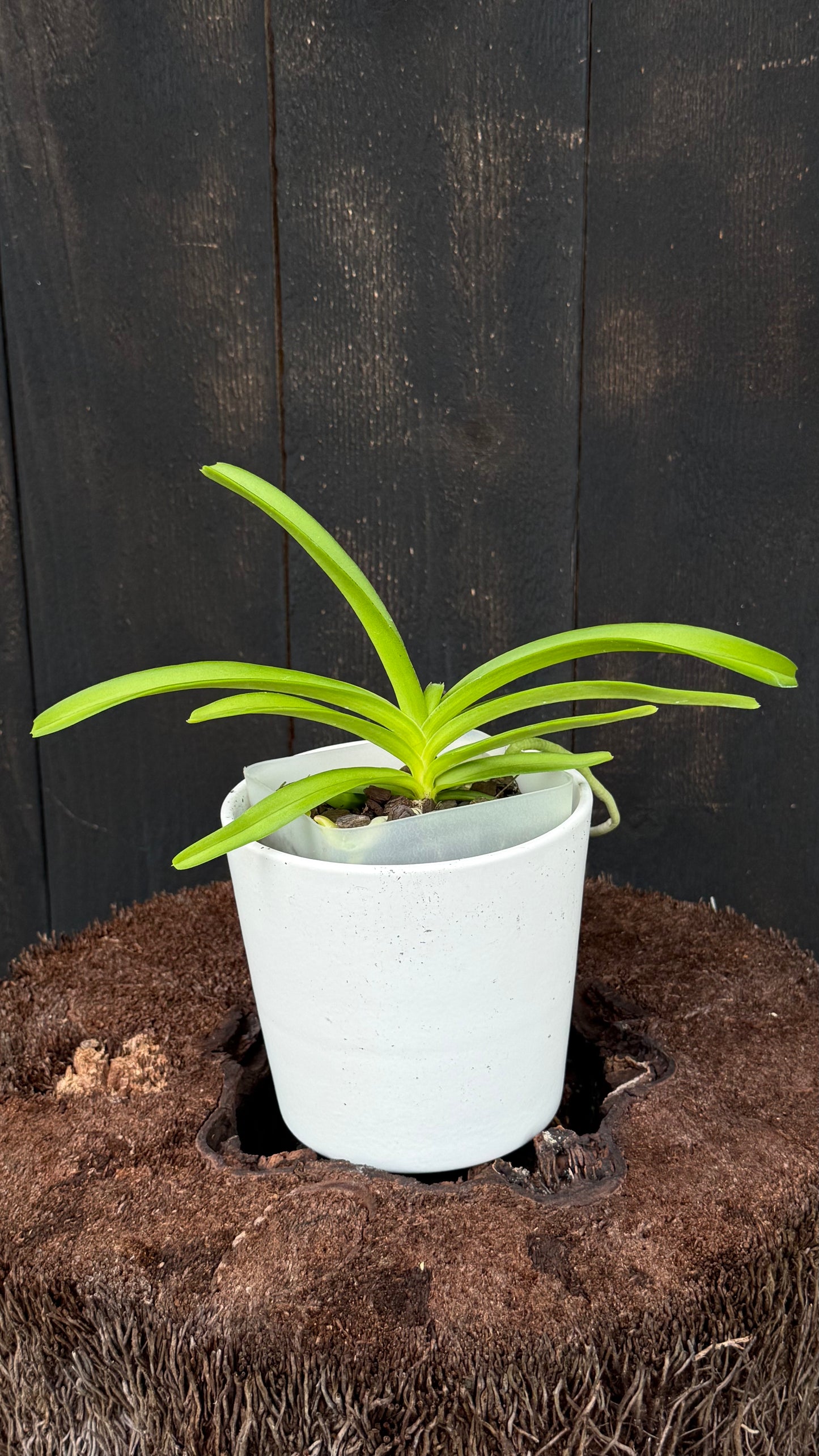
Rhy. coelestis - Blooming Size
Rhy. coelestis - Blooming Size
Couldn't load pickup availability
If you are looking to add a splash of rare, mesmerizing color to your collection, Rhynchostylis coelestis is an absolute must-have. Native to Southeast Asia, this compact, Vanda-relative is famous for its unique upright flower spikes that look like vibrant botanical towers. Unlike many orchids that droop or cascade, this species holds its blooms high and proud, showcasing clusters of pristine white flowers tipped in striking shades of indigo and sky-blue.
Why You'll Love It:
-
Rare Blue Hues: True blue is incredibly rare in the orchid world. The distinct violet-blue tips on the lips and petals of this orchid offer a breathtaking contrast that instantly draws the eye.
-
Delightful Citrus Scent: It doesn't just look beautiful; it also fills your space with a sweet, spicy, citrus-like fragrance that is especially potent on warm, sunny days.
-
Compact Growth Habit: Unlike its massive Vanda cousins, Rhy. coelestis stays relatively compact, making it perfect for growers with limited space or those looking to expand their indoor jungle.
-
Long-Lasting Blooms: The waxy, tightly packed flowers are highly resilient, often lasting for several weeks to a month in peak condition during the summer blooming season.
Quick Care Guide:
-
Light: Bright, filtered light. It thrives in conditions similar to Vandas but prefers a little protection from the intense midday sun. An east or shaded south-facing window is perfect.
-
Water: High water needs, but with maximum drainage. If grown in a wooden basket or mounted, water daily during the hot summer months. If potted in coarse bark, allow the media to just approach dryness before watering again.
-
Temperature: Warm to hot (70°F – 85°F during the day). It loves humidity and warmth, though it can tolerate brief drops down to 60°F at night.
-
Fertilizer: Feed weakly weekly with a balanced orchid fertilizer during the active spring and summer growing season, reducing frequency in the winter.
Share