

Kalapana Orchid Farm
🔥 The Torch Orchid: Stenorrhynchos speciosum- Blooming size
🔥 The Torch Orchid: Stenorrhynchos speciosum- Blooming size
Couldn't load pickup availability
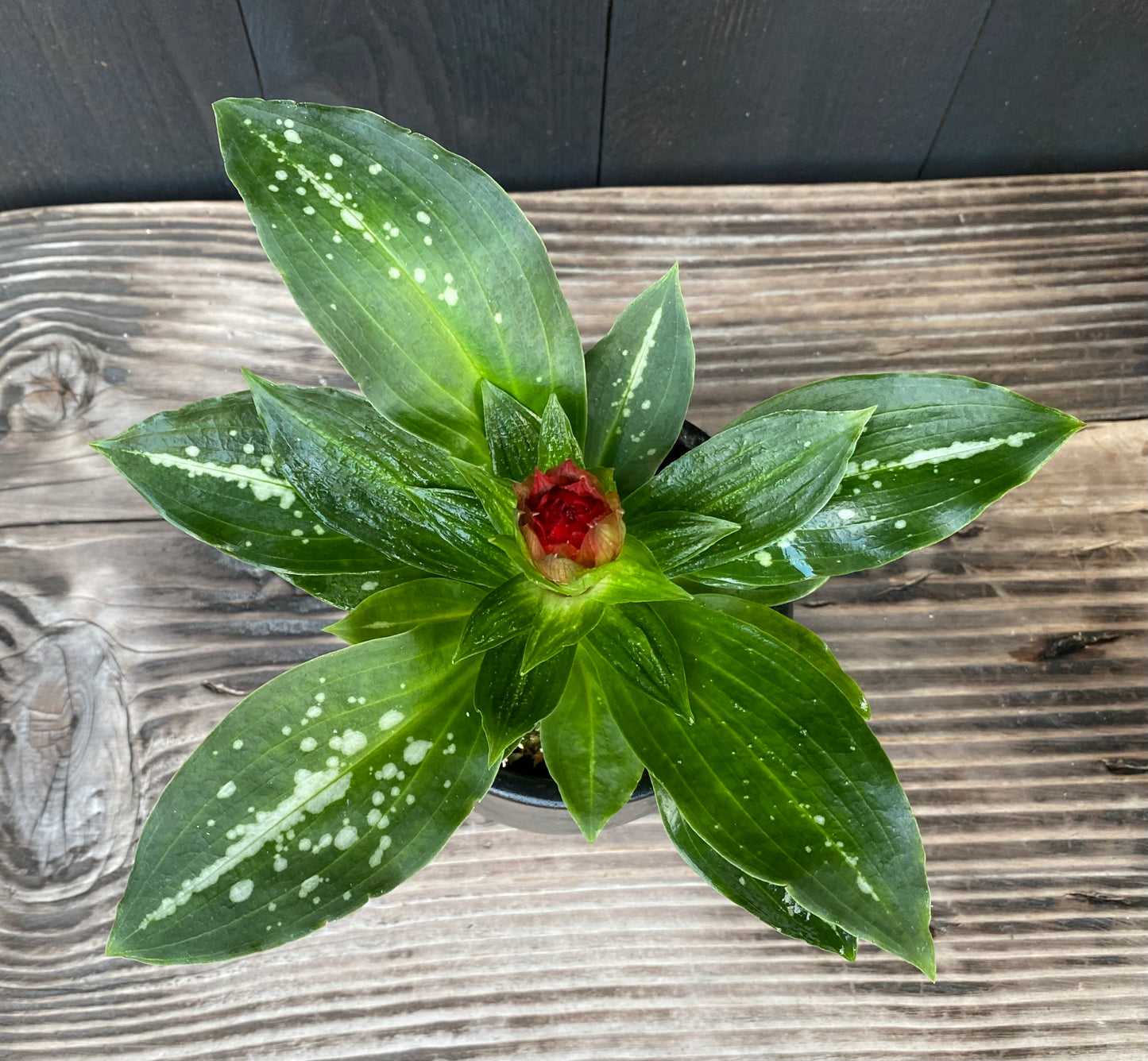
Stenorrhynchos speciosum is an impressive terrestrial orchid, distinguished by its vibrant, uniquely structured inflorescence. The plant produces a basal rosette of attractive, dark green leaves that are often tinged with a beautiful bronze or reddish hue, particularly on the underside or when grown in brighter light. The foliage is generally oblong or elliptical, smooth, and relatively thin. From the center of this rosette rises a tall, striking flower spike, which can reach heights of 18 to 24 inches. The spike itself is densely covered in numerous small, scarlet to deep red-orange flowers, creating a brilliant, candle-like column of color. Each flower possesses an extended, tube-like, downward-pointing spur, giving the genus its name, which translates to "narrow beak." The overall effect of the velvety red blooms against the deep green foliage is truly spectacular.
Quick Start Summary:
Light: Bright, filtered sun; similar to Phalaenopsis but slightly brighter. Avoid direct, harsh midday sun.
Temps: Day 65 F to 80 F, Night 55 F to 60 F. Needs a distinct cool down at night.
Water: Keep consistently moist, but not soggy, during active growth. Reduce watering slightly when dormant.
Humidity: 50% to 70%. Good air circulation is essential, especially with higher humidity.
Fertilizer: Balanced, water-soluble orchid fertilizer at half-strength every two to three waterings during growth.
Media: A fine, terrestrial mix: sphagnum moss, perlite, and fine bark, or a standard potting soil amended with coarse sand.
🌺 Orchid Lore & Discovery
Stenorrhynchos speciosum is a species with a wide and impressive native distribution, spanning from Mexico and Central America through much of the Andean mountain range in South America. It is a terrestrial orchid, meaning it naturally grows in the ground on forest floors, often among leaf litter and moss, rather than on trees like many tropical varieties. This orchid was first described by the English botanist John Lindley in 1840, establishing its place in horticultural history. Its preference for mountain forests and high-altitude grasslands, where it experiences cool, moist conditions and bright, diffused light, is key to understanding its cultivation needs. The sight of its towering, fiery red spikes pushing up through the dark forest floor has long made it a coveted species among botanists and collectors alike.
🌿 How to Grow Stenorrhynchos speciosum
Light: This terrestrial orchid thrives in bright, filtered light. An ideal location would be an east-facing window, or a south or west-facing window shaded by a sheer curtain. The light should be bright enough to cast a soft shadow. If the leaves develop a strong, deep reddish or bronze blush, the light level is optimal. However, direct exposure to intense afternoon sun will quickly scorch the delicate foliage.
Temperature: Stenorrhynchos speciosum prefers intermediate to cool growing conditions. During the day, temperatures should range between 65 F and 80 F. Crucially, they require a cool down at night, with temperatures dropping into the 55 F to 60 F range. This diurnal temperature swing is essential for promoting flower spike development and overall plant health.
Water: Consistent moisture is paramount for this terrestrial species during its active growth phase, which is typically spring and summer. The potting medium should feel like a well-wrung sponge—moist but never waterlogged or soggy. Overwatering can lead to root rot, but allowing the medium to dry out completely for extended periods will damage the fleshy roots and foliage. Reduce the frequency of watering slightly in the cooler, darker winter months.
Humidity: Maintain a relative humidity level between 50% and 70%. In a home environment, this can be achieved using a humidity tray or a small room humidifier. As with all high-humidity loving plants, excellent air movement around the leaves and flowers is critical. Stagnant, humid air encourages fungal and bacterial growth.
Media and Potting: Since this is a terrestrial orchid, it is best grown in a finer, more moisture-retentive potting mix than what is used for epiphytes like Cattleya or Phalaenopsis. A suitable blend includes equal parts sphagnum moss, fine-grade bark, and perlite, or a mix of peat moss and perlite. Repotting is generally necessary every one to two years, or when the media begins to break down. Choose a pot that just accommodates the root system.
Offered in bud, in 3" pots.
Share